Classic films captivate us, telling timeless tales with iconic performances. Yet, as we at celebrate National Classic Movie Day (coming up on May 16th), we're reminded that how we experience these gems has transformed, especially with today’s sound technology!
From the silent era to mono sound to the immersive audio of today, there's a thrilling opportunity ahead: pairing these beloved visuals with the depth of modern sound technology. You won’t believe how much new life it can bring to such classic tales!
A Symphony of Progress
The journey of sound technology in movies has been transformative, marked by several vital advancements, leading to the movie audio we know and love today!
- Silent to Talkies: Transitioned cinema from silent expressions to synchronized dialogue, revolutionizing storytelling.
- Mono to Stereo: Expanded sound from a single source to multi-directional, enhancing the sense of space and action.
- Surround Sound Systems: Introduced a 360-degree audio experience, immersing audiences deeper into the movie world.
- Digital Innovations: Brought crystal-clear sound quality with technologies like Dolby Digital, elevating movie soundtracks to new heights.
Revitalizing Classics with Modern Speakers
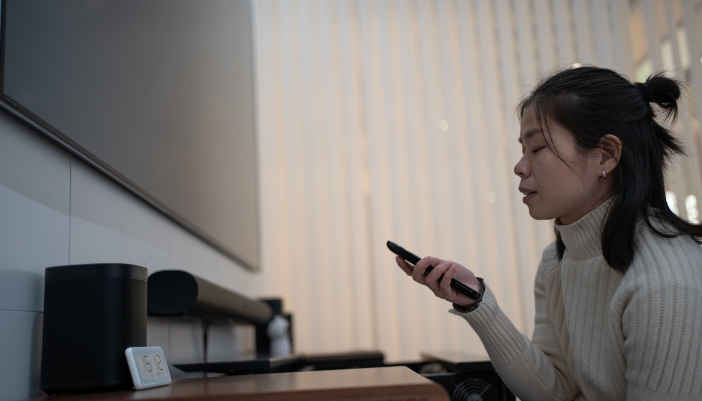
Today's speaker technologies can transform classic cinema, wrapping vintage visuals with rich, immersive sound.
- Surround Sound Systems: These systems use multiple speakers around the room to create a sound field that envelops the viewer. The effect is a cinema-like experience where every whisper and footstep can be heard with crystal clarity, placing you in the middle of the action or drama.
- Soundbars: A more compact solution, soundbars sit neatly under your TV and simulate a surround sound experience through cleverly positioned speakers within a single unit. These help audio quality, especially in dialog-heavy classic films.
- Wireless Audio Setups: Wireless speakers and subwoofers also allow for flexible speaker placement, ensuring optimal film sound quality without the hassle of cables.
Audio Technology Spotlight
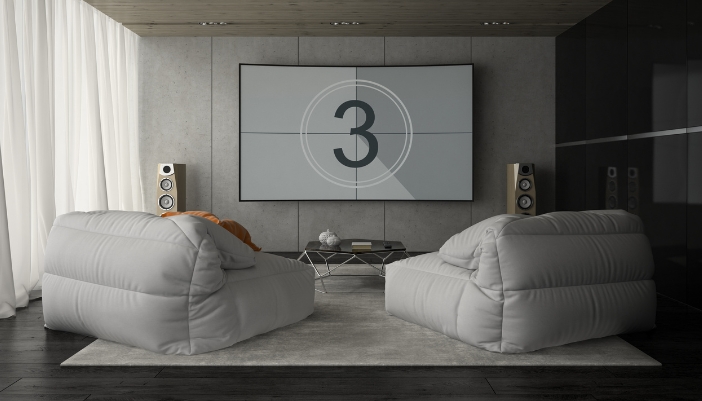
It’s not just the speakers we play movies on that make a difference; it’s the audio technology itself! These latest innovations provide clearer dialogues (no more muffling!), more depth to soundtracks (especially with those orchestral scores!), and enhanced background noise and ambient sounds for an enhanced atmosphere!
- Surround Sound Systems and Dolby Atmos: These can expand the audio field of classic films that have been remastered, providing an immersive experience without detracting from the original intent of the movie's sound design.
- Soundbars with Virtual Surround Sound: They offer a practical and space-efficient way to improve audio clarity and depth, making them ideal for enhancing classic films' dialogue and soundtrack nuances.
- Wireless Multi-Room Audio Systems: Useful for those who want the flexibility to enjoy films in different parts of the home without sacrificing audio quality, ensuring the film's soundtrack is consistently clear and present.
- Adaptive Sound Control in Advanced Soundbars: This technology is particularly relevant as it can automatically enhance dialogue clarity, which is beneficial for older movies where audio tracks might not be as clear due to the recording technology of the time.
Fine-Tuning Sound for Timeless Films
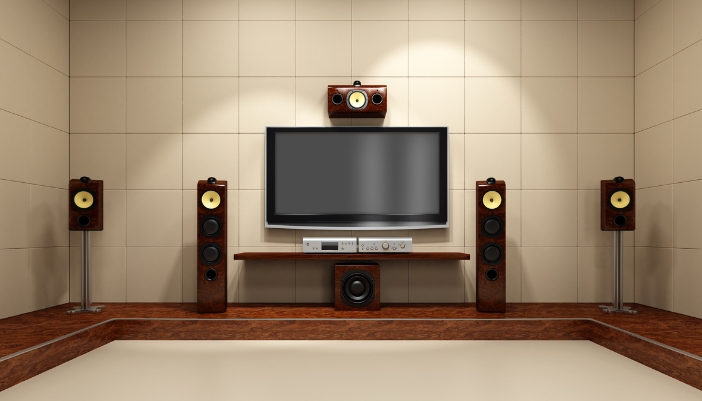
When it comes to fine-tuning your sound system to give the classic films you love a boost, there are several steps you can follow!
- Selecting the Right Equipment: Classic film can benefit from systems like soundbars with dialogue enhancement settings or consider surround sound systems or Dolby Atmos setups for films with remastered soundtracks!
- Speaker Placement Matters: For surround sound systems, follow the recommended setup for speaker placement to create an immersive sound field. Soundbars should be centered with the screen, while additional speakers (if using a multi-room setup) should be placed strategically to avoid audio delays or echoes.
- Room Acoustics: Soft furnishings absorb sound, while hard surfaces reflect it. For classic films, where clarity and warmth are key, use rugs, curtains, and cushions to balance the acoustics and reduce echo.
- Calibration and Settings: Use your audio system’s calibration tools to adjust settings for the best sound quality. For movies with predominantly dialogue, increase the center channel's volume. Experiment with equalizer settings to enhance frequencies common in classic film soundtracks.
List of Classics Enhanced by Modern Audio
So, now that you know how to improve the sound of classic films — it’s time to enjoy the oldies but goodies all over again! Some well-loved movies with the best audio include:
- Casablanca (1942): The iconic dialogue and memorable score shine with clear, balanced audio.
- Gone with the Wind (1939): Experience the sweeping grandeur of its score and the intensity of its dramatic moments in full surround sound.
- The Third Man (1949): The zither score and the atmospheric sounds of post-war Vienna are profoundly enhanced, adding to the film's mysterious tone.
- Singin' in the Rain (1952): The vibrant musical numbers and dynamic soundstage make this a joy to experience with improved audio quality.
- Psycho (1960): Enhanced audio brings new life to Bernard Herrmann’s chilling score and the infamous shower scene's visceral impact.
But if you still haven’t upgraded your home audio needs, our selection at has what you need! Whether you’re looking for a soundbar, a whole home audio system, or Dolby Atmos speakers, you’ll find what you need to watch the classics (and the latest movies!) the way they were truly intended!
Have questions about your audio needs? Leave it to the experts — give us a call or stop by today!